|
|
|
|
 |
|
|
CONTACT US01582 - 416291 |
|
|
|
|
THE PRACTICAL DRIVING TEST |
|
|
|
|
The final hurdle in obtaining your full licence is a test of your practical driving ability. A Driving Examiner will sit with you in the car and give you
instructions in much the same manner as on your driving lessons. The test will last approximately 40 minutes and will follow a set format. |
|
|
|
|
|
... you must read a vehicle number plate at the required distance of 20. 5 metres (67 feet) |
|
|
|
|
SHOW ME / TELL ME QUESTIONS |
|
|
|
|
|
... you must answer TWO questions about your vehicle requested by the Examiner. SEE BELOW
. |
|
|
|
|
|
|
... you will follow a set route and undertake TWO
manoevers determined by the Examiner. Additionally, you may be requested to perform an emergeny stop. |
|
|
|
|
The Driving Test is challenging and MUST NOT
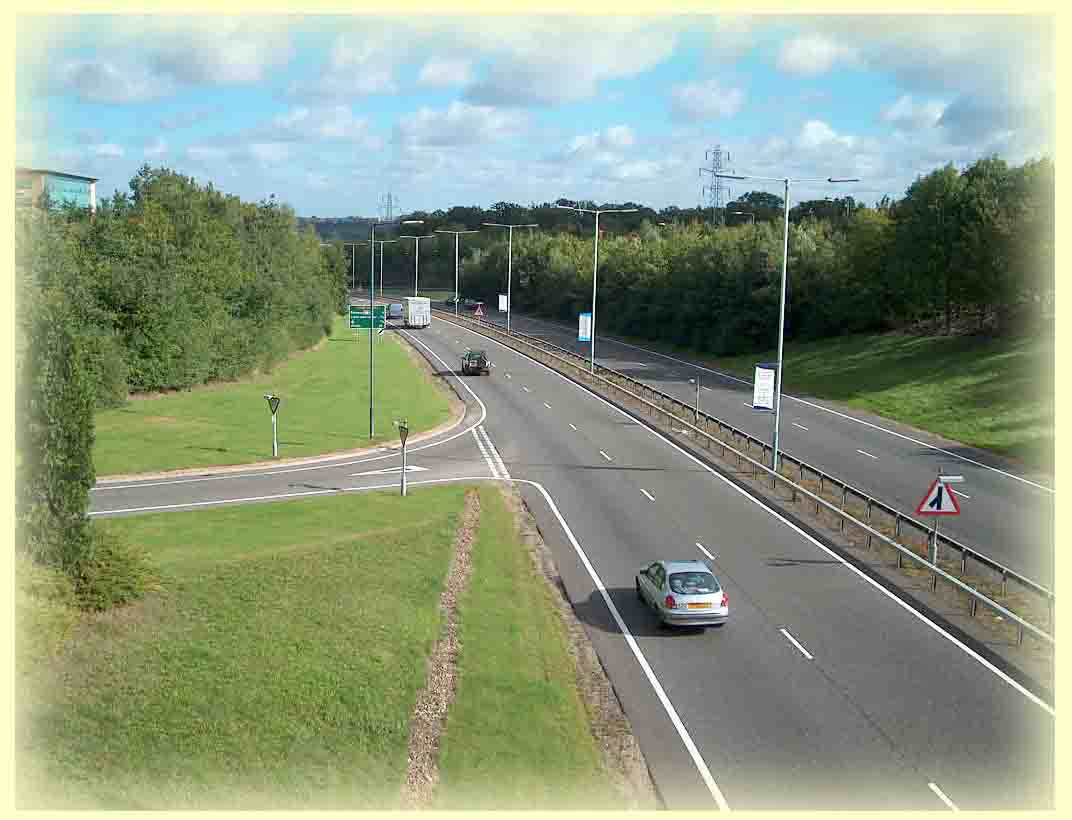
be underestimated. The route that you will take is carefully planned in order to encompass a diverse range of situations. For example, you may have to negotiate country lanes, one way streets, roundabouts, T-juntions, faster roads and then slower roads. All on the same route in order to ensure that you can adapt to a variety of conditions. You must additionally complete
TWO
set manoevers successfully, from the four that you have learned, ie turn in the road, reversing round a corner and reverse parking either behind another vehicle (parallel parking) or into a parking bay.
|
|
|
|
SHOW ME / TELL ME QUESTIONS |
|
|
|
|
The Examiner will ask you TWO questions, ONE "show me" and ONE
"tell me". All the recommended answers are published. You do not have to answer in great depth, just put the answers into your own words. Some suggestions are as follows. |
|
|
|
|
|
|
|
|
|
|
|
|
1. Open the bonnet, identify where you would check the engine oil level and tell me how you would check that the engine
has sufficient oil. |
|
|
Answer: Identify dipstick, ensure
engine is cold & check that oil level is between minimum & maximum markers. Identify where to fill up if required.
|
|
|
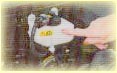
2. Open the bonnet, identify where you would check the engine coolant level and tell me how you would check that the
engine has the correct level. |
|
|
|
Answer:
Identify reservoir, ensure engine is cold & check that coolant level is between minimum & maximum markers. |
|
|
|
3. Open the bonnet, identify where the windscreen washer reservoir is and tell me how you would check the windscreen
washer level. |
|
|
|
Answer:
Identify reservoir, not usually any markers, top up if necessary. |
|
|
|
4. Open the bonnet, identify where the brake fluid reservoir is and tell me how you would check that you have a safe
level of hydraulic brake fluid. |
|
|
|
Answer: Identify reservoir, ensure
engine is cold & check that level is between minimum & maximum markers. |
|
|
|
|
|
5. Tell me how you would check that the brake lights are working on this car. |
|
|
|
Answer: Operate the brake pedal, either ask someone to look
for you or make use of reflections such as a garage or a window. |
|
|
|
|
|
6. Tell me how you would check that the brakes are working before starting a journey
. |
|
|
|
Answer:
The brakes should feel firm & not soft or spongy. They should not make the steering pull to one side. |
|
|
7. Tell me where you would find the information for the recommended tyre pressures for this car and how tyre pressures should be
checked. |
|
|
|
|
Answer: The manufacturers guide. Go to a garage or petrol
station with an air pressure machine. Ensure that tyres are cold ie. the beginning of your journey. Inflate/deflate as necessary. |
|
|
|
8. Tell me how you would check the tyres to ensure that they have sufficient tread depth and that their general condition is safe to use on the
road. |
|
|
|
Answer: There should be 1.6 mm of tread accross the central
3/4 of the tyre & round the entire circumference. Also no cuts, bulges, nails or anything sticking in the tyres. |
|
|
|
9. Show me / explain how how you would check that the power assisted steering is working before starting a journey. |
|
|
|
|
Answer:
Should feel light & easy to turn. If its stiff or heavy it is not working properly. |
|
|
|
10. Show me how you would check that the headlights and the tail lights are working. |
|
|
|
Answer:
Turn on the lights (turn on ignition if necessary). Walk around the car & check. |
|
|
|
11. Show me how you would check that the direction indicators are working. |
|
|
|
Answer:
Turn on the indicators (start ignition if necessary) or hazard warning lights. Walk around the car & check. |
|
|
12. Show me how you would check that the horn is working. |
|
|
|
Answer: Press it. |
|
|
|
13. Show me how you would check the parking brake (handbrake) for excessive wear. |
|
|
|
|
Answer: The handbrake should feel tight when you pull it up. If it is loose or you have to pull it up a long way then it is not working effectively.
|
|
|
|
Please note: Answering ONE or BOTH
questions incorrectly will result in you receiving ONE minor fault. |
|
|
|
When you commence the actual driving part of the test, the Examiner will be observing your driving and assessing any errors which you may make (otherwise known as minor faults). They will be recorded on
a Driving Test Report Form. Whether you pass or not will depend on the number and seriousness of your errors. |
|
|
|
|
|
|
|
A less serious error but still a fault. eg failure to check your mirrors prior to signalling. Accumulating more than 15
faults will mean that you have been unsuccessful. |
|
|
A potentially dangerous incident which could cause an accident. eg an incorrect lane position on a roundabout. You are not allowed ANY of these! |
|
|
An actual dangerous incident. Causing another driver to have to slow down for you or take evasive action. eg pulling out in front of someone on a roundabout. You are not allowed
ANY of these! |
|
|
|
|
Additionally, accumulating a number of similar minor faults can, at the Examiners discretion, become a SERIOUS FAULT
also. This is because it is seen as a serious weakness in your driving. |
|
|
|
Don't worry, the Examiner will not be watching you like a Hawk. They are very experienced at what they do and can observe your driving whilst putting you at your ease. It will be just like having a
passenger or your instructor with you. |
|
|
|
At the end of the test, the Examiner will explain the marking on the Driving Test Report and offer general guidance on your drive. |
|
|
|
REMEMBER |
|
|
|
You can book the Practical Test by telephoning the DSA booking office on 0870 - 0101372 or online at www.dsa.gov.uk
|
|
|
|
The Driving Test Centre for Luton is located at 6/10 Adelaide Street, Luton, Beds LU1 5BT |
|
|
|
site designed & compiled by graham herrick copyright 2005 all rights reserved reproduction of this site in part or in whole is strictly prohibited |
|